Scaling & Root Planing in Burke VA

Helping you maintain a healthy, beautiful smile.

A deep cleaning procedure designed to treat gum disease and improve your oral health.

scaling and root planing burke va
scaling and root planing procedure

What is Scaling and Root Planing?

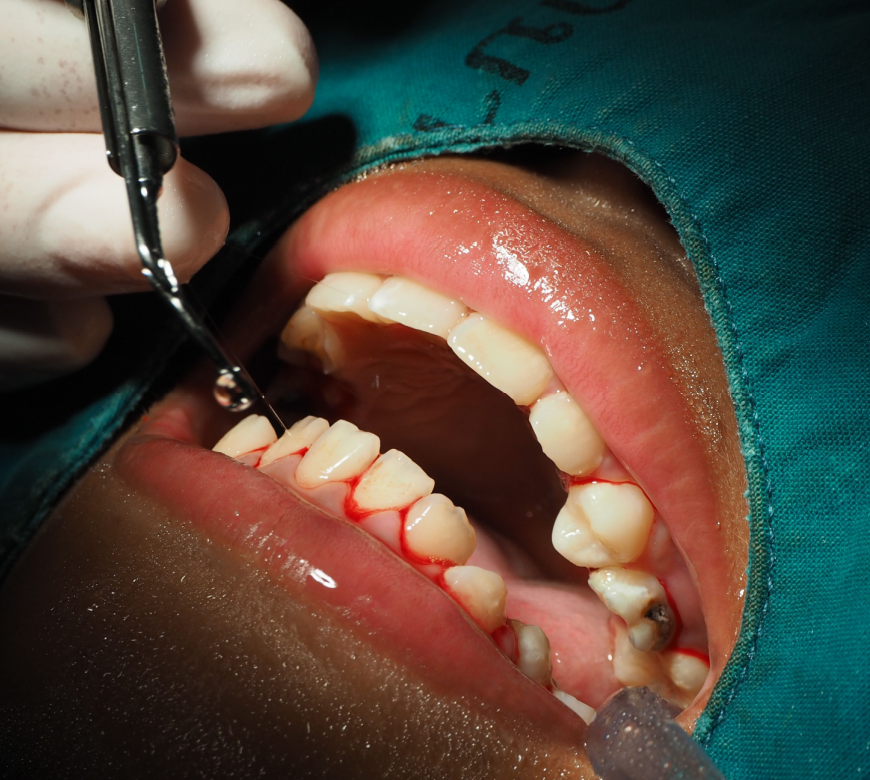
Scaling and root planing is a non-surgical treatment for periodontal disease, commonly known as gum disease.

This procedure targets plaque and tartar buildup below the gum line that cannot be removed through regular brushing and flossing. Left untreated, gum disease can lead to gum recession, tooth loss, and other serious health complications.

Scaling

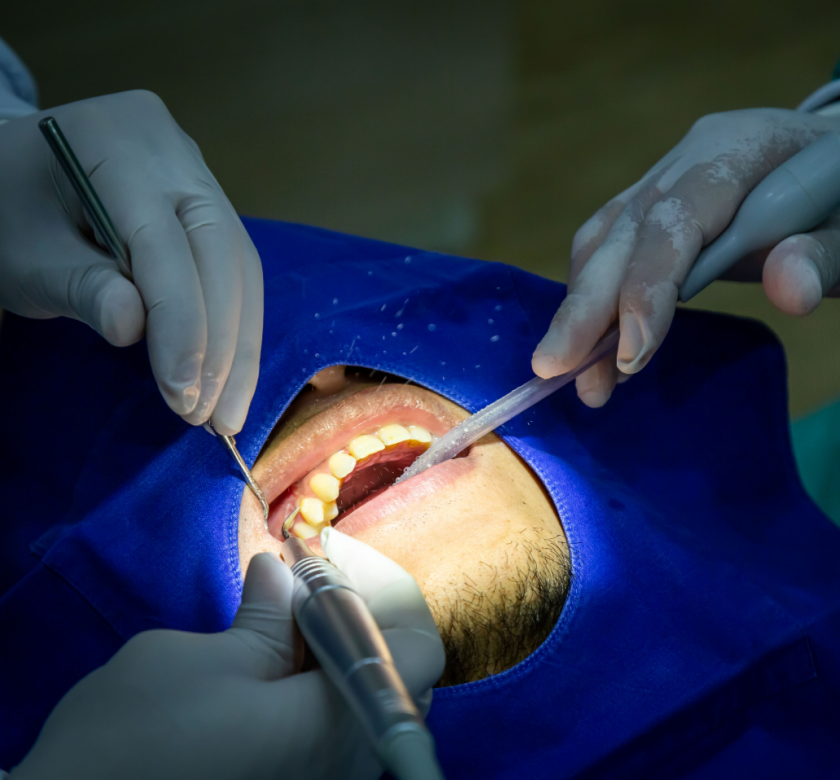
The first step, scaling, involves the removal of plaque and tartar from the surfaces of your teeth and beneath the gum line. Using specialized tools, we ensure that even the hard-to-reach areas are thoroughly cleaned to reduce inflammation and bacteria.

Root Planing

The second step, root planing, smooths out the roots of your teeth to prevent bacteria from reattaching. This process encourages your gums to heal and reattach to the teeth, reducing periodontal pockets and promoting long-term oral health.

Who Needs Scaling and Root Planing?

Scaling and root planing is often recommended for patients showing signs of gum disease.

Some of the signs are:

  • Bleeding gums while brushing or flossing
  • Persistent bad breath
  • Red, swollen, or tender gums
  • Gum recession (gums pulling away from teeth)
  • Loose or shifting teeth

If you are experiencing any of these symptoms, our team will conduct a thorough examination, including X-rays and periodontal charting, to determine if this treatment is right for you.

    Schedule A Dental Visit


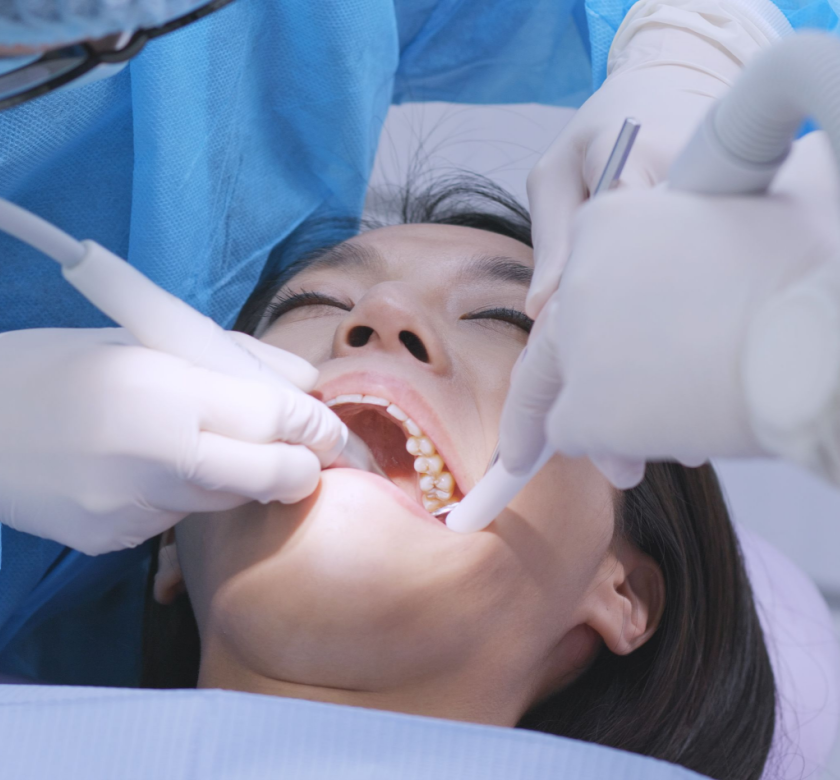
    patient getting scaling and root planing in burke va

    Benefits of Scaling and Root Planing

    Undergoing scaling and root planing offers numerous benefits for your oral and overall health, including:

    • Reducing inflammation and bleeding gums
    • Preventing further damage to teeth and gums
    • Minimizing the risk of tooth loss
    • Improving bad breath caused by bacteria buildup
    • Supporting better overall health, as gum disease has been linked to systemic conditions such as diabetes and heart disease

    What to Expect During & After Treatment

    Scaling and root planing is performed over one or more appointments, depending on your individual needs.

    Local anesthesia may be used to ensure your comfort during the procedure. After treatment, some patients may experience mild gum tenderness or sensitivity, which typically subsides in a few days.

    After your scaling and root planing treatment, maintaining a consistent oral hygiene routine is vital. Regular brushing, flossing, and professional dental cleanings will help prevent the recurrence of gum disease. Follow-up appointments will allow us to monitor your progress and ensure optimal healing.

    Frequently Asked Questions

    Answering your common questions about scaling & root planing and its benefits.

    What is scaling and root planing?

    Scaling and root planing is a deep cleaning procedure designed to treat gum disease. It involves removing plaque and tartar buildup from below the gumline (scaling) and smoothing the tooth root surfaces (root planing) to prevent bacteria from reattaching.

    Is the procedure painful?

    Most patients experience minimal discomfort during scaling and root planing, as the area is typically numbed with a local anesthetic. After the procedure, you may experience some sensitivity, but this usually subsides within a few days.

    How do I know if I need scaling and root planing?

    Signs you may need this procedure include persistent bad breath, red or swollen gums, bleeding gums, gum recession, or loose teeth. Your dentist or periodontist can diagnose gum disease and recommend scaling and root planing if necessary.

    How can I maintain results after the procedure?

    To maintain the results of scaling and root planing, it’s vital to follow good oral hygiene practices, such as brushing twice daily, using floss or interdental brushes, and attending regular dental checkups. Quitting smoking and adopting a healthy diet can also support gum health.