

Sedation Dentistry in Burke VA
Don't let anxiety hold you back
With options ranging from mild sedation to deeper relaxation techniques, your dental visit becomes stress-free, allowing you to focus on achieving a healthy, beautiful smile.
How Can Sedation Dentistry Help With Anxiety?
For individuals who experience dental anxiety, sedation dentistry provides a practical and compassionate solution.
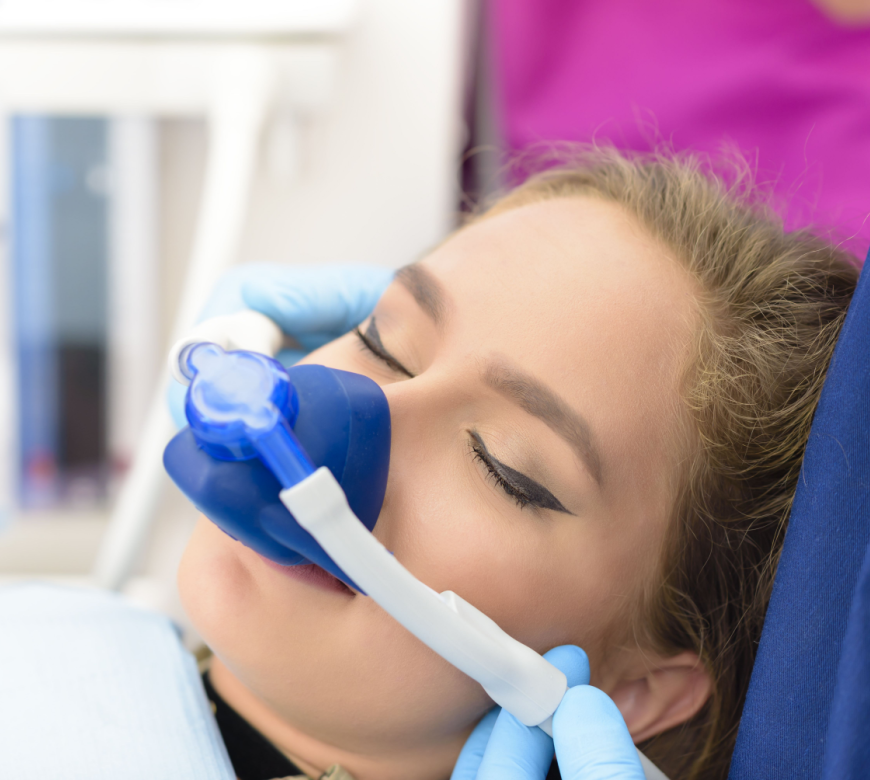
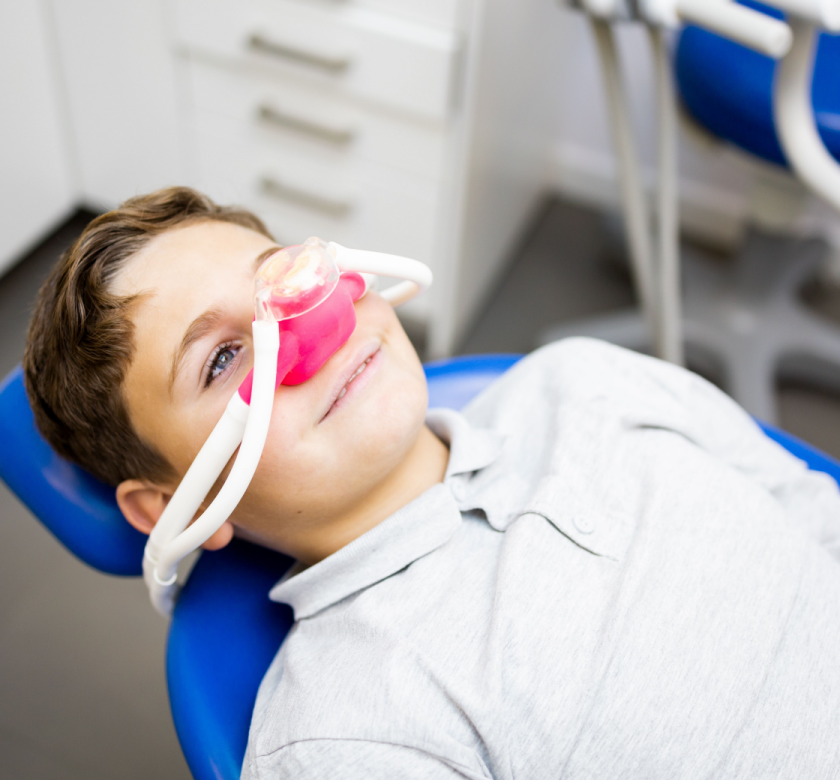
For individuals who experience dental anxiety, sedation dentistry provides a practical and compassionate solution. This approach helps to ease fears and allows patients to receive necessary dental care without undue stress. By using various sedation methods, such as nitrous oxide, oral sedatives, or intravenous sedation, dental professionals can create a calming and comfortable environment tailored to each patient’s needs. These techniques not only reduce physical discomfort but also alleviate the psychological barriers associated with dental visits. Sedation dentistry enables you to prioritize your oral health while feeling relaxed and confident throughout the process.
How Does Sedation Dentistry Work?
Sedation dentistry involves the use of medications to help patients relax during dental procedures.
Sedation dentistry involves the use of medications to help patients relax during dental procedures. The process begins with a thorough assessment by the dentist, who considers factors such as the patient’s medical history, level of anxiety, and treatment requirements.
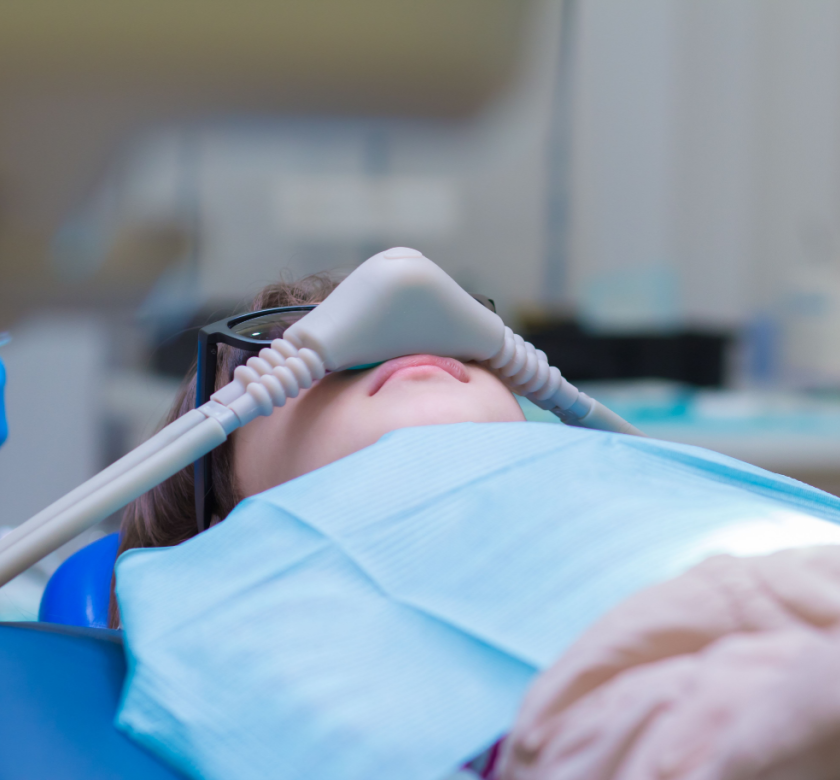
Based on this evaluation, the appropriate type and level of sedation are chosen to suit the individual’s needs. Sedation can range from minimal, where the patient is awake but calm, to deep sedation, where the patient is on the edge of consciousness but can still be awakened if necessary. The medication can be administered in various forms, including inhalation of nitrous oxide, oral sedatives, or intravenous (IV) delivery. Throughout the procedure, the patient is carefully monitored to ensure safety and comfort, allowing for a smooth and stress-free dental experience.
Are You a Candidate for Sedation Dentistry?
Sedation dentistry can be a viable option for individuals who experience anxiety or fear about dental procedures.
It is especially beneficial for those with a low pain threshold, sensitive teeth, a strong gag reflex, or a need for extensive dental work. Patients who have difficulty sitting still for extended periods may also find sedation dentistry helpful.
Additionally, individuals with certain medical conditions or disabilities that make traditional dental care challenging might benefit from the calming effects of sedation. It is important to discuss your medical history, current medications, and concerns with your dentist to determine if sedation dentistry is the right choice for you.
Frequently Asked Questions
Answering your common questions about sedation dentistry.
Is sedation dentistry safe?
Yes, sedation dentistry is generally safe when performed by a qualified and experienced dentist. Your dentist will carefully review your medical history and monitor you throughout the procedure to ensure your safety.
What types of sedation are available?
The most common types of sedation used in dentistry are nitrous oxide (laughing gas), oral sedation, and intravenous (IV) sedation. The type of sedation recommended will depend on your individual needs, level of anxiety, and the complexity of the procedure.
Will I be unconscious during sedation dentistry?
Not necessarily. Most forms of sedation do not render you unconscious. Instead, they help you feel deeply relaxed and calm while still being awake and able to respond to instructions. General anesthesia, which induces full unconsciousness, is typically reserved for more serious procedures.
How long does the sedation last?
The duration of sedation depends on the type used. Nitrous oxide wears off quickly, allowing you to resume normal activities shortly after the procedure. Oral sedation and IV sedation may have lingering effects, and you may need someone to drive you home after your appointment.