

Tooth Extraction & Grafting in Burke VA
A Path to a Healthier Smile.
Tooth extractions are a common dental procedure performed to remove damaged, decayed, or problematic teeth that cannot be saved. In some cases, tooth extractions are accompanied by bone grafting to preserve the jawbone and prepare the site for future dental implants.
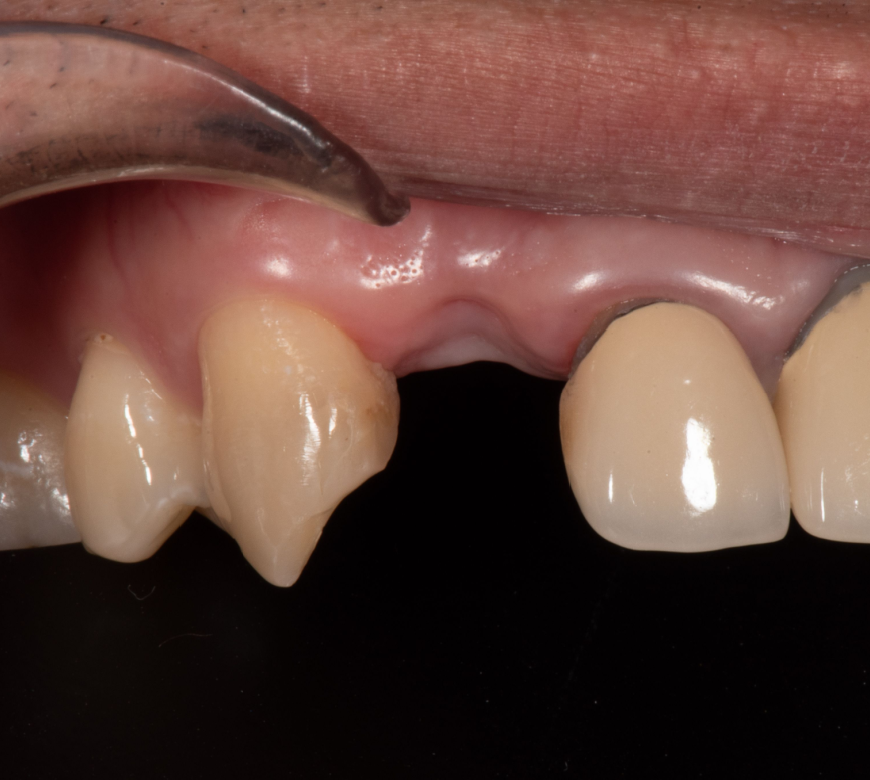

What Is Tooth Extraction & Grafting?
Together, these procedures work to ensure both oral health and long-term functionality.
Tooth extraction is the process of removing a tooth from its socket in the jawbone. This procedure is typically performed to address severe tooth decay, advanced periodontal disease, impacted wisdom teeth, or teeth that are causing overcrowding. While tooth extractions may sound daunting, modern dental techniques and anesthesia make the process straightforward and relatively pain-free.
Bone grafting, on the other hand, is a procedure often performed in conjunction with tooth extractions to restore and strengthen the jawbone. When a tooth is removed, the surrounding bone can begin to deteriorate due to lack of stimulation. Bone grafting involves placing a small amount of grafting material—such as natural bone, synthetic bone, or a biocompatible substitute—into the empty tooth socket. This supports the area and encourages new bone growth, preserving the jaw’s structure and allowing for future restorative treatments like dental implants.
What Are The Benefits of Tooth Extraction & Grafting?
Tooth extraction combined with bone grafting provides numerous benefits that contribute to overall oral health and functionality.
One of the primary advantages is the preservation of jawbone density. Without grafting, bone loss can occur at the site of the extraction, eventually compromising the jaw’s structure and appearance. By placing grafting material, new bone growth is stimulated, maintaining the integrity of the jaw.
Additionally, this process creates a stable foundation for future restorative treatments, such as dental implants. Implants require sufficient bone density to stay securely anchored, and grafting ensures that this requirement is met. Beyond structural benefits, bone grafting also helps maintain facial aesthetics by preventing the sunken appearance that can result from significant bone loss. Combining extraction with grafting not only restores but also protects the long-term health and appearance of your smile.

What Is The Process For A Tooth Extraction & Grafting?
The process for a tooth extraction and grafting begins with a thorough evaluation by your dental professional.
During this assessment, X-rays or 3D imaging are often used to examine the condition of the tooth and the surrounding bone structure. Once the treatment plan is established, the procedure is performed under local anesthesia, ensuring maximum comfort for the patient.
The first step is the extraction of the damaged or decayed tooth. Using specialized tools, the dentist carefully removes the tooth while minimizing trauma to the surrounding tissue. After the extraction, the site may be cleaned to remove any debris or infected material, creating a healthy environment for the grafting process.
Next, the bone grafting material is placed into the socket where the tooth was removed. This material, which can be synthetic or derived from natural sources, serves as a scaffold to promote new bone growth over time. The graft is secured and often covered with a protective membrane to aid in healing and prevent complications. Finally, the site is sutured, and the patient is provided with post-operative care instructions to encourage recovery.
Healing typically takes several weeks to months, depending on the individual’s health and the extent of the procedure. Regular follow-ups are crucial to monitor progress and ensure the site is ready for any further restorative treatments, such as dental implants. By addressing both tooth removal and bone preservation in one procedure, extraction and grafting set the stage for a healthier smile and long-term dental health.
Frequently Asked Questions
Answering your common questions about tooth extraction and grafting and its benefits.
Why is bone grafting necessary after tooth extraction?
Bone grafting is often recommended to preserve the jawbone and prevent bone loss that naturally occurs after tooth extraction. This process helps maintain the structure needed to support future restorative treatments, such as dental implants.
Is the procedure painful?
During the procedure, local anesthesia or sedation is typically used to ensure the patient is comfortable and does not feel pain. Some discomfort or swelling is normal during the recovery period but can usually be managed with prescribed medications.
How long does it take to heal?
Healing times can vary depending on the individual’s health and the complexity of the procedure. Generally, initial recovery takes a few weeks, but it may take several months for the grafted bone to fully integrate with the jawbone.
Are there any risks associated with bone grafting?
While bone grafting is a common and generally safe procedure, potential risks include infection, graft rejection, or slow healing. Following post-operative care instructions and attending regular follow-ups significantly minimizes these risks.